Are you tired of staring at a blank page, waiting for inspiration to strike? Do you want to develop a consistent writing habit, but don't know where to start? Look no further. In this tutorial, we'll take you through the process of getting into the habit of writing daily. You'll learn how to create a writing routine, set achievable goals, and overcome common obstacles that prevent you from writing every day. By the end of this guide, you'll be well on your way to making writing a daily habit that brings you joy, clarity, and a sense of accomplishment.
Step 1: Setting Up Your Writing Space for Daily Writing
To get into the habit of writing daily, you need a dedicated writing space that inspires you to write. This could be a desk in your home office, a cozy corner in your local library, or even a outdoor spot in your backyard. The key is to find a place that is quiet, comfortable, and free from distractions. Consider investing in a good chair, a decent desk lamp, and a reliable computer or writing device. Make sure your writing space is organized and clutter-free, with all the necessary tools and resources within reach. For example, you can add a few plants, a fun mousepad, or a motivational quote to make your writing space more inviting.

Step 2: Creating a Writing Schedule for Daily Writing Habits
To develop a daily writing habit, you need to create a schedule that works for you. This means setting aside a specific time each day to write, and sticking to it. Start by identifying your most productive hours, and then allocate a fixed time slot for writing. It could be early in the morning, late at night, or during your lunch break. The key is to find a time that suits your lifestyle and energy levels. Be realistic about how much time you can dedicate to writing each day, and don't be too hard on yourself if you miss a day or two. For example, you can start with 15-20 minutes of writing each day, and gradually increase the duration as you become more comfortable with the habit.

Step 3: Setting Achievable Goals for Your Daily Writing Habit
Setting achievable goals is crucial to developing a daily writing habit. This means defining what you want to achieve through your writing, and setting specific targets for each day. Start by identifying your long-term goals, such as writing a novel, a memoir, or a collection of short stories. Then, break down these goals into smaller, manageable tasks that you can accomplish each day. For example, you can set a daily word count goal, a writing prompt to follow, or a specific theme to explore. Make sure your goals are realistic, measurable, and aligned with your writing schedule. Celebrate your small wins, and don't be too hard on yourself if you don't meet your goals every day.
Step 4: Overcoming Obstacles to Your Daily Writing Habit
Developing a daily writing habit is not without its challenges. You'll face obstacles such as writer's block, self-doubt, and lack of motivation. To overcome these obstacles, you need to develop strategies that work for you. Start by identifying your common excuses, and then find ways to overcome them. For example, if you're struggling with writer's block, try freewriting, changing your environment, or seeking inspiration from other writers. If you're struggling with self-doubt, try to focus on the process, not the outcome, and remind yourself that writing is a journey, not a destination. Don't be too hard on yourself, and don't give up. Remember, every writer faces obstacles, and it's how you respond to them that matters.
Step 5: Reviewing and Adjusting Your Daily Writing Habit
Finally, to make writing a sustainable habit, you need to review and adjust your approach regularly. This means reflecting on your progress, identifying what works and what doesn't, and making adjustments to your writing routine, goals, and strategies. Start by scheduling regular review sessions, such as weekly or monthly, to assess your progress and celebrate your achievements. Be honest with yourself, and don't be afraid to try new things. Remember, developing a daily writing habit is a journey, and it's okay to make mistakes and adjust your approach as you go. With time and practice, you'll find a rhythm that works for you, and writing will become an integral part of your daily life.
Frequently Asked Questions:
How To Get Into The Habit Of Writing – The Writing Studio

How To Get Into The Habit Of Writing – The Writing Studio
How To Get Into The Habit Of Writing Daily And Why You Should – Artofit

How to get into the habit of writing daily and why you should – Artofit
Your Writing Process: 7 Habits For Success | Now Novel
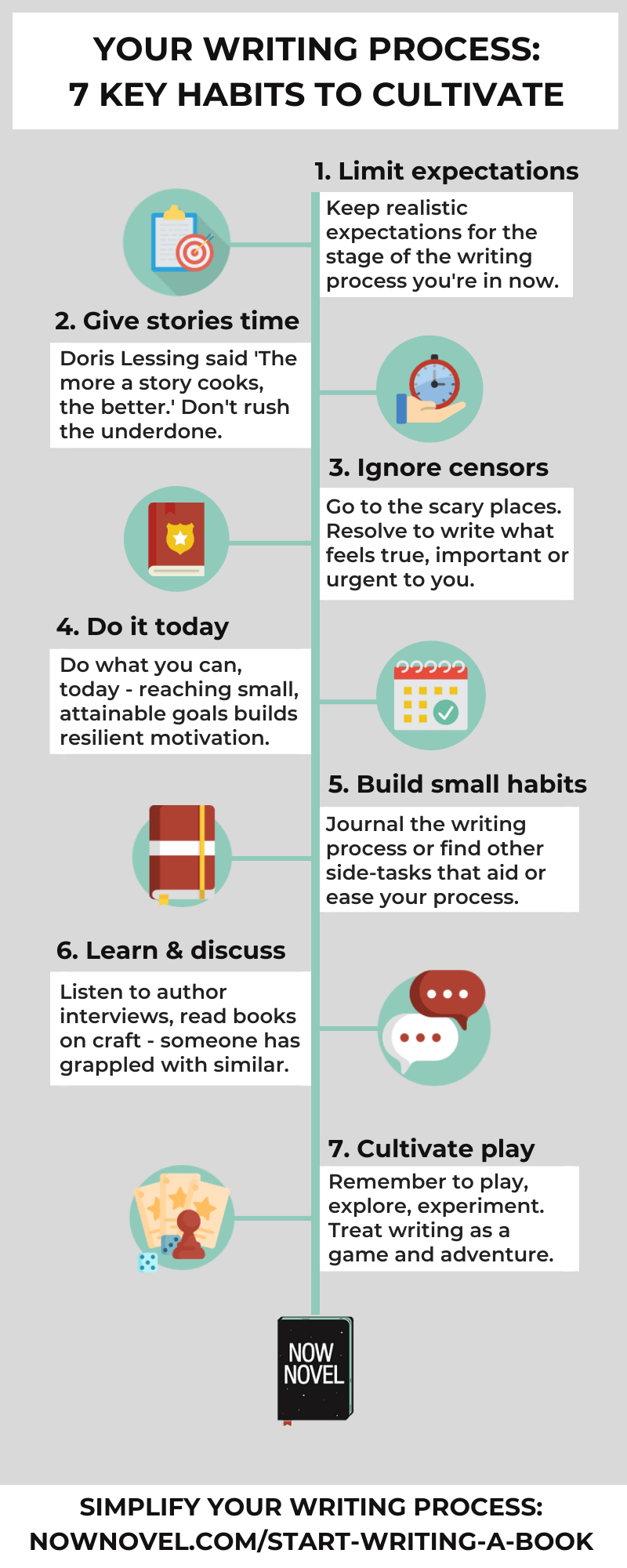
Your Writing Process: 7 Habits for Success | Now Novel